

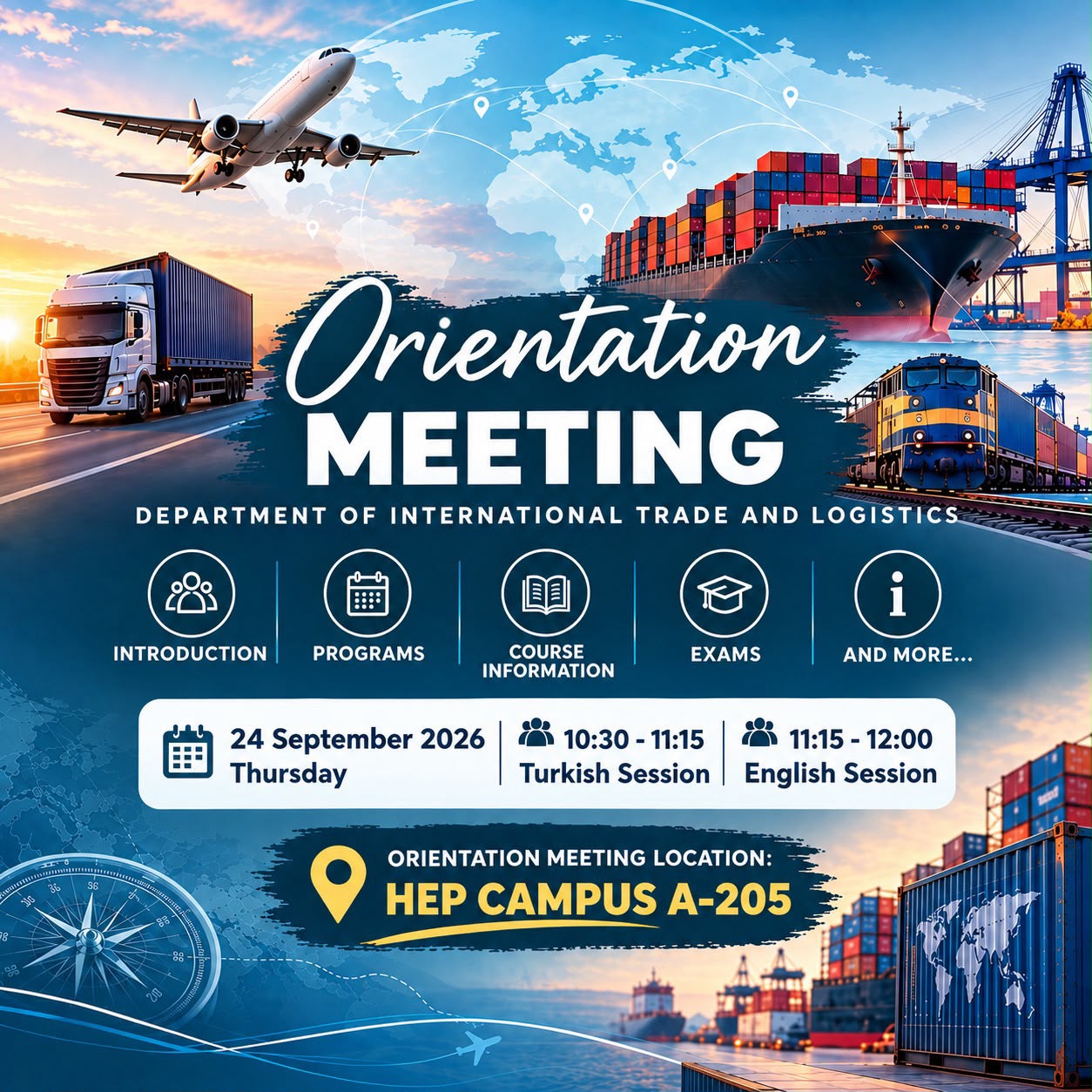
Alanya University organized an institutional assembly at the Hamdullah Emin Paşa Campus in anticipation of the upcoming academic term.
Useful Information
Supply Chain Management (SCM)
The integrated management of all information, material and financial flows a product goes through from the raw material stage until it reaches the end consumer.
Incoterms
The universal set of rules that defines the responsibilities and costs of the buyer and the seller in export and import, and the points at which risk transfers between them.
Logistics 4.0
The integration of digital technologies such as artificial intelligence, the Internet of Things (IoT), big data and automation into supply chain processes.
Reverse Logistics
The management of the flow of products, packaging or waste from the consumer back to the producer for the purpose of return, recycling, repair or disposal.
Modes of Transport
The use of road, sea, air and rail networks, either individually or in combination (multimodal/intermodal), to move freight to its destination.
Customs Clearance
The whole body of legal rules, tax procedures and documentation processes that goods are subject to when crossing borders.
Warehouse and Inventory Management
The safe storage of goods, the optimization of stock levels in line with customer demand, and order picking and preparation processes.
Trade Finance
Payment methods such as letter of credit, documentary collection and open account, which balance the risks of the parties in international trade and provide security.
3PL and 4PL (Party Logistics)
The outsourcing of transport, warehousing or entire supply chain processes by businesses to specialized logistics providers.
E-Logistics
Order management, parcel transport and last-mile delivery processes that have gained momentum with the growth of e-commerce.
Foreign Trade Documents
Documents such as the bill of lading, the certificate of origin and the proforma invoice, which form the legal and physical basis of international trade transactions.
Sustainable (Green) Logistics
Efficiency-oriented practices that aim to minimize the environmental impact of logistics activities, and the carbon footprint in particular.
ERP Systems
Enterprise resource planning software in which all departments of a business, such as purchasing, production, logistics and finance, work in an integrated way.
Lean Logistics
The philosophy of achieving maximum efficiency by eliminating waste, lost time and unnecessary costs in transport, storage and distribution processes.
Global Marketing
The positioning and distribution of products and services according to the differing cultural, legal and economic dynamics of international markets.
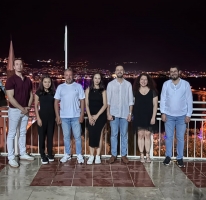
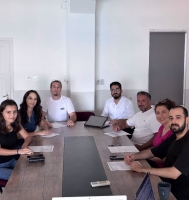
The first departmental meeting of the term was held by the Department of International Trade and Logistics to comprehensively plan the academic activities and structure the internal administrative pro...
Etkinlik girişi yapılmamıştır.
Tümünü Gör